



Nichole Beattie is an American television writer and producer whose name is tied to some of the most talked-about shows of the last two decades. From The Walking Dead to For All Mankind, she has quietly built a reputation as a dependable, emotionally intelligent storyteller behind the camera. Often introduced in headlines as the former wife of actor Michael Rapaport, her own career as a writer and executive producer stands firmly on its own merits. This article explores her life, career, family background, and lasting influence in complete detail.
Who Is Nichole Beattie?
Nichole Beattie is a writer and producer best known for her work on acclaimed dramas including The Walking Dead, Sons of Anarchy, For All Mankind, and Law & Order: Organized Crime. Born Nichole Marie Beattie on November 19, 1976, she has spent more than two decades working steadily in American television. Unlike many industry figures, she prefers to stay away from social media and red-carpet interviews, letting her credits speak for her. Her career reflects a rare mix of resilience, craft, and consistency, earning respect among showrunners even though she remains relatively unknown to the general public.
Early Life and Family Background
Nichole Beattie was born in Minneapolis, Minnesota, though she spent much of her childhood in the smaller town of Bayport. She attended Oak-Land Junior High and later Stillwater Area High School. Her early years were shaped by financial hardship, as her family relied on public assistance for a period of time. This exposure to struggle would later inform the emotional depth found in her writing. She has spoken about how a working-class upbringing gave her a grounded perspective, one that shows up repeatedly in the raw, character-driven scripts she has contributed across multiple television dramas.
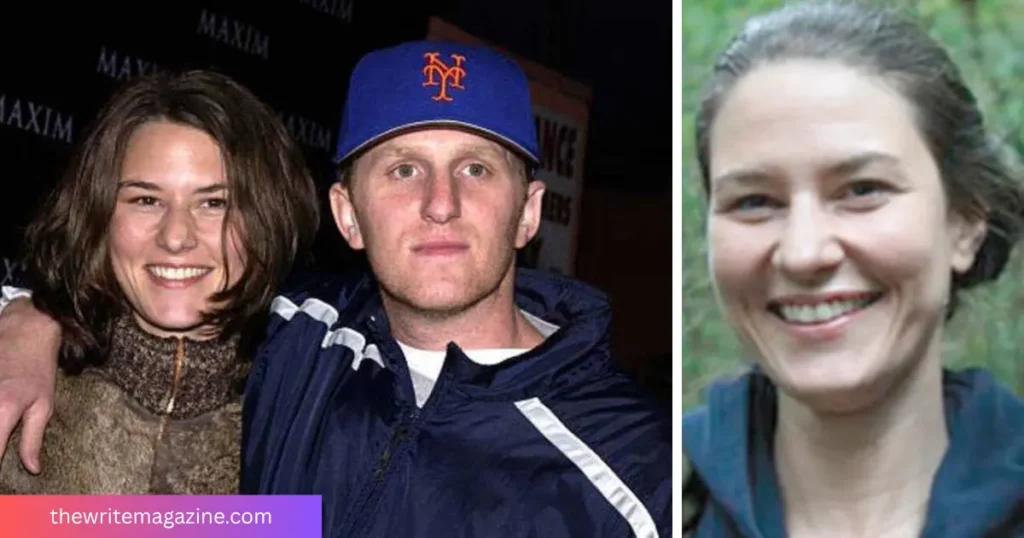
Growing Up in Bayport, Minnesota
Life in Bayport was not always easy for the Beattie family. Her parents divorced when she was still young, and her father struggled with alcoholism following the separation, eventually passing away as a result of the illness. Her mother, Melody Beattie, raised Nichole and her brother largely as a single parent during their formative years. The family’s circumstances shifted once Melody’s writing career took off in the mid-1980s, moving them from a rented apartment into a larger home. This transformation left a lasting impression on young Nichole, shaping her understanding of perseverance and reinvention.
Tragedy: The Loss of Her Brother Shane
One of the most painful chapters in her life came in 1991, when her younger brother, Shane, died in a skiing accident at the Afton Alps resort at just 14 years old. The tragedy struck during a period when the family’s fortunes had finally begun to improve, making the loss especially devastating. She has referenced this event as one of the defining moments of her youth, one that shaped her emotional outlook and, later, her storytelling instincts. Grief, loss, and resilience became recurring undercurrents in the television projects she would go on to write for as an adult.
A Mother’s Influence: Melody Beattie
Nichole’s mother, Melody Beattie, is a well-known self-help author famous for writing Codependent No More, a 1986 book that has reportedly sold millions of copies worldwide. Melody’s success directly influenced the household Nichole grew up in, exposing her early to the discipline and creative demands of a writing career. While Melody built her name in nonfiction and recovery literature, Nichole carved her own path in scripted television drama. The mother-daughter relationship is often cited in profiles of the family, though Nichole has built a distinctly separate professional identity within Hollywood.
Education and Early Struggles
Nichole Beattie did not complete a college degree, a fact she has openly discussed when reflecting on her career. Instead of formal academic training, she relied on determination, life experience, and a strong personal point of view to break into competitive television writing. Her path was far from smooth; before landing steady work, she reportedly went through extended stretches without industry employment, including a lengthy dry spell in the early 2010s. This period tested her resolve but also reinforced the persistence that would later define her decades-long career as a working writer.
Career Beginnings
Nichole Beattie began pursuing screenwriting opportunities in the 1990s, though her breakthrough did not arrive until years later. One of her earliest professional opportunities came through veteran writer David Milch, who brought her onto the staff of HBO’s acclaimed Deadwood for its third season. This early mentorship proved crucial in shaping her understanding of structure, dialogue, and character work within a prestige drama setting. It also opened the door to further collaborations with Milch, placing her among a small circle of writers trusted with high-profile, critically respected projects during the mid-2000s.
Breakthrough with Sons of Anarchy
A major turning point came in 2008, when she joined the writing staff of FX’s biker drama Sons of Anarchy. This assignment gave her broader visibility and allowed her to demonstrate range across a serialized, ensemble-driven format. She spent several years contributing to the show’s dark, morally complex storytelling, further establishing her reputation as a writer capable of handling intense, character-heavy material. Her time on the series became a stepping stone toward the higher-profile projects that would define the next phase of her career.
Writing for John from Cincinnati and Deadwood
Alongside Deadwood, Nichole Beattie also contributed to David Milch’s short-lived but critically discussed John from Cincinnati. These early credits, though not widely known by mainstream audiences, established her foundation as a writer capable of working within complex, character-driven ensemble narratives. Working under Milch exposed her to a literary approach that emphasized subtext and atmosphere over traditional plot mechanics. This experience shaped her creative instincts and gave her the tools to later contribute meaningfully to major genre dramas throughout her career.
Her Signature Project: The Walking Dead
Perhaps the project most associated with Nichole Beattie is AMC’s zombie drama The Walking Dead. She joined around 2011, invited by then-showrunner Glen Mazzara, and went on to write episodes including “Sick,” “Home,” “Live Bait,” “Claimed,” and “Us.” She also served in supervising producer roles across multiple seasons. Her contributions helped shape some of the show’s most emotionally resonant character arcs during its peak popularity years, significantly elevating her profile within the industry and remaining one of her most recognized creative achievements to date.
Notable Episodes and On-Set Duties
Her writing credits on The Walking Dead span multiple seasons and reflect her ability to balance action with emotional storytelling. Episodes like “Home” and “Claimed” are frequently cited by fans for their tension and character development. Beyond scripting, her producing responsibilities reportedly extended into practical filmmaking duties, including location scouting and overseeing wardrobe and continuity details on set. This hands-on involvement across both writing and production gave her a well-rounded skill set, one that later supported her transition into executive producer roles on subsequent projects.
Work on Rubicon and Prime Suspect
Before her extended run on The Walking Dead, she contributed to other notable dramas, including AMC’s conspiracy thriller Rubicon and NBC’s Prime Suspect reboot. On Rubicon, she served as an executive story editor, while on Prime Suspect she held producing and writing credits, including episodes such as “Wednesday’s Child” and “Shame.” These projects allowed her to diversify her portfolio across crime drama and psychological thriller genres. This versatility became a hallmark of her career, positioning her as a writer comfortable across multiple television formats and tones.
A New Frontier: For All Mankind
One of her most significant modern credits is Apple TV+’s space-race drama For All Mankind. She joined as co-executive producer for its first season in 2019 before being promoted to executive producer for seasons two, three, and part of season four. This long-running association highlights her growing seniority within the industry and her ability to sustain creative influence across multiple seasons of an ambitious, high-concept drama. Her steady presence on the show reflects the trust showrunners have placed in her instincts, particularly for character-driven arcs within large ensemble casts.
Rise to Executive Producer
Her promotion from co-executive producer to executive producer on For All Mankind marked an important milestone. It signaled her evolution from a staff writer into a senior creative leader with greater influence over story direction and production decisions. This trajectory mirrors the broader arc of her career, moving steadily from entry-level assignments toward positions of real creative authority. Her long tenure on the series also demonstrates a level of consistency that is relatively rare in television writers’ rooms, where staff turnover between seasons is common.
Law & Order: Organized Crime and Mo
She has also contributed to NBC’s Law & Order: Organized Crime, writing multiple episodes including “New World Order,” “Ashes to Ashes,” and “As Nottingham Was to Robin Hood.” She also worked on the Netflix comedy-drama Mo, serving as co-executive producer and writer on the episode “Tombstone.” These credits show her continued relevance in the industry well into the 2020s, proving her adaptability across genres ranging from crime procedurals to culturally specific comedy-dramas, and confirming that Nichole Beattie remains an active, in-demand television professional today.
Writing Style and Recurring Themes
Across her body of work, she is often recognized for scripts that emphasize emotional realism, grief, and resilience. Colleagues and critics have noted that her personal history, marked by financial hardship and family loss, frequently informs the tone of her writing. She tends to gravitate toward character studies embedded within larger genre frameworks, whether a zombie apocalypse, a space program drama, or an organized crime unit. This consistent thematic thread across such different shows is part of what has made Nichole Beattie a valued contributor across multiple prestige and genre productions.
Personal Life: Marriage to Michael Rapaport
Nichole Beattie is widely recognized for her marriage to actor Michael Rapaport, known for films like Higher Learning and Cop Land, as well as television roles in Friends and Justified. The couple married in the early 2000s and had two sons together during their marriage. While Rapaport’s acting career gave the relationship public visibility, she generally kept her own professional life separate from the media attention surrounding her husband. Reports differ slightly on exact marriage dates, but most sources agree the couple were together for several years before the relationship ended.
Divorce and Co-Parenting
The marriage ended in divorce, with proceedings finalized in the mid-to-late 2000s, citing irreconcilable differences. She sought joint custody of their two sons along with spousal and child support as part of the settlement. Despite the split, both parents have generally been described as committed to co-parenting their children through adulthood. She has kept details of her post-divorce personal life largely private, avoiding tabloid attention, which aligns with her broader pattern of letting her professional credits define her public identity rather than her personal relationships.
Net Worth and Career Achievements
Estimates of Nichole Beattie’s net worth vary considerably across sources, ranging anywhere from roughly one million to several million dollars, depending on which outlet is cited. None of these figures have been independently verified through official financial disclosures, so they should be treated as rough estimates rather than confirmed facts. What is verifiable is her extensive list of writing and producing credits across major network and streaming productions spanning more than two decades. Her steady employment across high-profile shows like The Walking Dead and For All Mankind suggests a financially stable, long-term television career.
Awards and Industry Recognition
While she has not amassed a large personal collection of major televised awards, her work has been recognized within industry circles, including reported nominations tied to her contributions on The Walking Dead. More importantly, her sustained presence across acclaimed productions like For All Mankind and Deadwood reflects a broader form of professional recognition. Being repeatedly hired by respected showrunners such as David Milch and Glen Mazzara speaks to the regard in which Nichole Beattie is held among television industry veterans, even without a shelf full of personal trophies to show for it.
Nichole Beattie Today
As of the mid-2020s, she remains active in the industry, continuing to contribute as a writer and executive producer. She has largely avoided the spotlight throughout her career, letting her work on shows like For All Mankind and Mo speak for itself. She does not maintain a notable public social media presence and rarely grants interviews about her personal life. This consistent preference for privacy has allowed her to focus on her craft, building a body of work that continues to expand even decades into her professional writing career.
Legacy and Influence in Television Writing
Looking at her career as a whole, Nichole Beattie represents the kind of behind-the-scenes talent that keeps major productions running smoothly, even without widespread public recognition. Her journey from a financially struggling household in Bayport, Minnesota, to becoming a trusted writer and executive producer on some of television’s most talked-about shows is a testament to persistence and craft. Her influence can be traced through the emotional depth of episodes across The Walking Dead, For All Mankind, and other acclaimed series, cementing her legacy as a dependable and respected voice within modern television writing.
Conclusion
Nichole Beattie’s story is one of quiet persistence, personal resilience, and steady professional growth within a highly competitive industry. From a difficult childhood marked by financial hardship and family loss, she built a decades-long career writing and producing for some of television’s most recognized dramas, including The Walking Dead, Sons of Anarchy, and For All Mankind. While often introduced through her connection to Michael Rapaport, her own body of work stands as proof of genuine talent and staying power. Her career continues to evolve, and she remains a respected, if understated, presence within the American television industry today.
Frequently Asked Questions
1. Who is Nichole Beattie? Nichole Beattie is an American television writer and producer known for her work on shows including The Walking Dead, Sons of Anarchy, For All Mankind, and Law & Order: Organized Crime.
2. When was Nichole Beattie born? She was born on November 19, 1976, in Minneapolis, Minnesota, though she was primarily raised in Bayport, Minnesota.
3. Is Nichole Beattie related to Melody Beattie? Yes, she is the daughter of Melody Beattie, the well-known self-help author of Codependent No More.
4. Was Nichole Beattie married to Michael Rapaport? Yes, she was previously married to actor Michael Rapaport, and the couple had two sons together before eventually divorcing.
5. What shows has Nichole Beattie written for? She has writing and producing credits on Deadwood, John from Cincinnati, Sons of Anarchy, Rubicon, Prime Suspect, The Walking Dead, For All Mankind, Law & Order: Organized Crime, and Mo.
6. What is Nichole Beattie’s net worth? Estimates vary widely across sources, ranging from roughly one million dollars up to several million, though none of these figures are independently confirmed.
7. Is Nichole Beattie active on social media? No, she maintains a private personal life and does not have a notable public presence on social media platforms.