



If you have ever shopped for a car, an appliance, or the latest electronic gadget, you have likely seen the term MSRP listed somewhere on the price tag or sticker. But what is MSRP, and why does it matter so much to both buyers and sellers? MSRP, short for Manufacturer’s Suggested Retail Price, is the price that a manufacturer recommends retailers charge for a product. It acts as a pricing benchmark across industries, from automobiles to consumer electronics. Understanding MSRP helps consumers make smarter purchasing decisions and helps businesses set fair, competitive prices. This article breaks down everything you need to know about MSRP in simple, practical terms.
What Does MSRP Stand For?
MSRP stands for Manufacturer’s Suggested Retail Price. It is sometimes referred to as the “sticker price” or “list price,” especially in the automotive industry. The term describes the price that a manufacturer believes a product should sell for at the retail level. It is not a legally binding price, meaning retailers are free to sell above or below this figure depending on market demand, competition, and negotiation. MSRP is widely used across industries such as automotive, electronics, furniture, and appliances, giving both buyers and sellers a common reference point when discussing pricing. Knowing this definition is the first step to understanding how pricing strategies work in retail markets today.
The History and Origin of MSRP
The concept of MSRP emerged in the mid-20th century as manufacturers sought a way to standardize pricing across different retail outlets. Before MSRP became common, prices varied wildly from store to store, confusing consumers and making comparison shopping difficult. The automobile industry was one of the first sectors to widely adopt this pricing model, using it to bring transparency to car sales. Over time, other industries, including electronics and home appliances, adopted similar practices. Today, MSRP remains a foundational element of pricing strategy, helping maintain consistency while still allowing flexibility for retailers to adjust prices based on local market conditions.
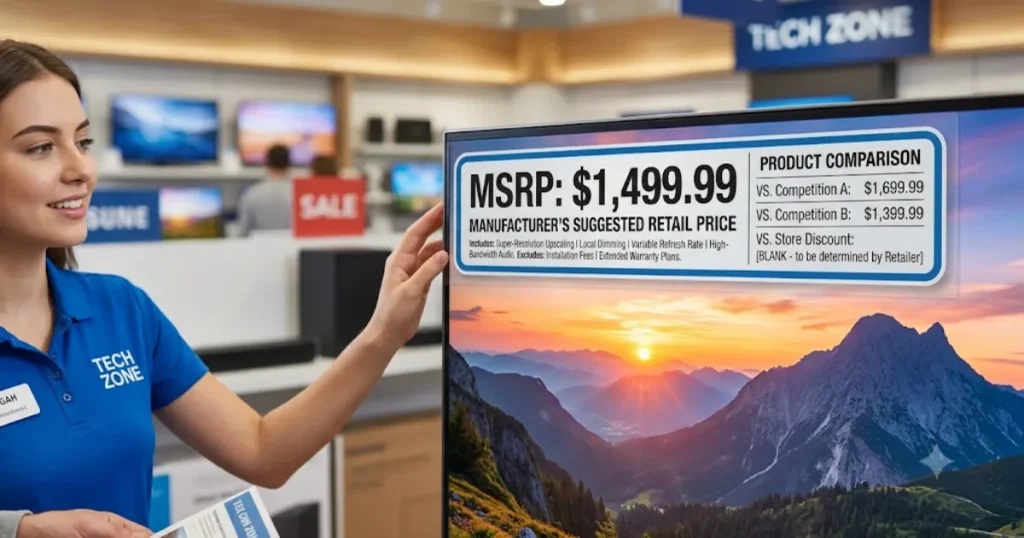
How Is MSRP Calculated?
Manufacturers calculate MSRP by considering several factors, including production costs, marketing expenses, desired profit margins, and competitor pricing. The formula typically accounts for the cost of raw materials, labor, shipping, and overhead, plus a markup that ensures profitability for both the manufacturer and the retailer. Market research also plays a significant role, as companies analyze consumer demand and willingness to pay before finalizing a suggested price. Additionally, brand positioning influences MSRP; premium brands often set higher suggested prices to reflect perceived quality and exclusivity. This calculated approach ensures that the suggested retail price remains realistic while supporting healthy profit margins throughout the supply chain.
Why Manufacturers Set an MSRP
Manufacturers set an MSRP for several strategic reasons. First, it creates price consistency across various retail locations, preventing confusion among consumers who might see the same product priced differently at different stores. Second, MSRP protects brand image by preventing retailers from selling products at prices that seem too cheap, which could cheapen the perceived value of the brand. Third, it gives retailers a clear starting point for pricing negotiations. Finally, MSRP helps manufacturers maintain healthy relationships with their retail partners by ensuring fair profit margins are possible for everyone involved in the distribution chain, from wholesaler to end consumer.
MSRP vs. Actual Selling Price
One of the most common misconceptions is that MSRP is the price you must pay. In reality, MSRP is only a suggestion, and actual selling prices often differ. Retailers frequently offer discounts, promotions, or clearance sales that bring prices below MSRP. On the other hand, in cases of high demand or limited supply, some retailers may sell products above MSRP, a practice sometimes called “market adjustment” pricing. Understanding this difference empowers consumers to negotiate and shop around rather than assuming the listed MSRP is fixed. Comparing prices across multiple retailers is one of the best ways to ensure you are getting the best possible deal.
MSRP in the Automotive Industry
The automotive industry is perhaps the most well-known user of MSRP. When you see a car’s window sticker, also called a Monroney sticker, it displays the MSRP along with additional details like fuel economy, safety ratings, and included features. Car dealerships often negotiate below MSRP, especially for older models or when trying to meet sales quotas. However, popular or newly released vehicles may sell at or above MSRP due to limited availability. Buyers should always research the invoice price, which is what the dealer paid the manufacturer, to better understand their negotiating power when purchasing a vehicle.
MSRP in Electronics and Technology
In the electronics sector, MSRP plays a crucial role in maintaining pricing structure across online and physical retailers. Companies like smartphone, laptop, and gaming console manufacturers set an MSRP to ensure consistency whether a customer shops at a big-box store or an online marketplace. Retailers often offer seasonal discounts, especially during events like Black Friday or back-to-school sales, pricing products below MSRP to attract customers. However, during high-demand product launches, such as new gaming consoles, prices can sometimes exceed MSRP due to limited stock and reseller markups, particularly in secondary markets.
MSRP and Minimum Advertised Price (MAP)
Many people confuse MSRP with Minimum Advertised Price (MAP), but these are two distinct pricing concepts. While MSRP is simply a suggested price, MAP is an agreement between manufacturers and retailers that sets the lowest price a product can be advertised for, though it doesn’t restrict the actual selling price in-store. MAP policies are often used to protect brand value and prevent price wars among retailers, particularly online. Retailers who violate MAP agreements may lose their authorization to sell certain products. Understanding the difference between MSRP and MAP helps consumers and business owners navigate pricing regulations more effectively.
Benefits of MSRP for Consumers
MSRP offers several advantages for everyday shoppers. It provides a reliable reference point for comparing prices across different retailers and locations. Consumers can quickly identify whether they are getting a good deal or being overcharged. MSRP also promotes transparency, since manufacturers publish these prices publicly, often on their official websites. Additionally, it helps buyers negotiate more confidently, especially in industries like automotive sales where haggling is common. By understanding MSRP, consumers become more informed shoppers, capable of spotting discounts, avoiding overpriced deals, and making smarter financial decisions when purchasing high-value items like vehicles or electronics.
Benefits of MSRP for Retailers and Manufacturers
For retailers, MSRP simplifies pricing strategy by providing a clear starting point, reducing the time spent determining fair prices from scratch. It also helps maintain healthy profit margins across the supply chain. For manufacturers, MSRP protects brand reputation by discouraging retailers from selling products at excessively low prices, which could damage perceived quality. It also fosters stronger manufacturer-retailer relationships by ensuring fairness in pricing structures. Additionally, MSRP allows manufacturers to maintain consistent brand positioning across regions and markets, reinforcing trust and predictability for both business partners and end consumers alike.
Common Misconceptions About MSRP
Many buyers mistakenly believe that MSRP is a fixed, non-negotiable price, but this is far from true. Others assume all retailers charge the same price, when in reality, prices can vary significantly. Another misconception is that a product priced below MSRP is always a great deal, when sometimes retailers artificially inflate the “original” MSRP before applying a fake discount to make the deal appear larger than it truly is. Consumers should be aware of these tactics and always research actual market value rather than relying solely on the advertised MSRP when evaluating whether a price is genuinely fair.
How to Use MSRP When Shopping
To make the most of MSRP information, consumers should compare it against actual retailer prices, research competitor pricing, and use tools like price comparison websites. When shopping for vehicles, checking the invoice price alongside MSRP can reveal how much room there is for negotiation. For electronics, tracking price history using browser tools or apps can help determine whether a “sale” price is a genuine discount or simply a marketing tactic. Being an informed shopper means never accepting the sticker price at face value, but instead treating MSRP as a helpful guideline rather than a final decision.
MSRP and Online Shopping Trends
With the rise of e-commerce, MSRP has taken on new significance. Online marketplaces like Amazon often display the MSRP alongside a discounted price, helping shoppers instantly see potential savings. However, this has also led to price manipulation tactics, where some sellers inflate the “original” price to make discounts appear larger than they actually are. Consumer protection agencies in various countries have begun cracking down on these deceptive pricing practices. As online shopping continues to grow, understanding how MSRP is displayed and used will become increasingly important for making informed, trustworthy purchasing decisions in digital marketplaces.
The Role of MSRP in Brand Positioning
MSRP is not just about individual pricing; it also plays a vital role in overall brand strategy. Luxury brands often set higher MSRPs to reinforce exclusivity and premium positioning, even if actual selling prices are eventually discounted. Budget brands, on the other hand, set lower MSRPs to appeal to price-conscious consumers. This strategic use of MSRP helps companies maintain consistent messaging about their brand identity across all sales channels. By aligning MSRP with brand values, companies can better control consumer perception, ensuring their pricing reflects the quality and reputation they aim to project in the marketplace.
MSRP Regulations and Legal Considerations
While MSRP itself is not legally binding, certain related pricing practices are regulated to protect consumers. Laws in many countries prohibit deceptive pricing, such as falsely inflating the “original” price before applying a discount. The Federal Trade Commission (FTC) in the United States, for example, has guidelines addressing unfair or misleading pricing claims. Retailers must ensure that any comparison pricing, including MSRP references, accurately reflects genuine market value. Businesses that violate these regulations may face fines or legal action. Understanding these legal boundaries helps both consumers and retailers navigate pricing practices ethically and transparently.
Industries That Commonly Use MSRP
Beyond automobiles and electronics, MSRP is widely used in industries such as furniture, appliances, sporting goods, and even pharmaceuticals. Each industry adapts the concept slightly based on market dynamics and consumer expectations. For instance, furniture retailers often use MSRP to justify seasonal discounts, while appliance manufacturers use it to maintain consistent pricing across big-box stores. In the pharmaceutical industry, MSRP can influence insurance reimbursement rates and out-of-pocket costs for consumers. Recognizing how different industries apply MSRP helps buyers understand pricing structures better, regardless of what type of product they are purchasing.
Tips for Negotiating Below MSRP
Negotiating below MSRP is common, especially in industries like automotive sales. Buyers should research market averages, check inventory levels, and time their purchase strategically, such as at the end of a sales quarter when dealers are eager to meet targets. Building rapport with sales representatives and being willing to walk away can also strengthen a buyer’s negotiating position. For electronics and appliances, waiting for major sales events or clearance periods often yields prices well below MSRP. Being patient, informed, and willing to compare multiple offers gives consumers significant leverage when trying to secure the best possible price.
Future Trends in MSRP and Pricing Strategy
As technology advances, pricing strategies continue to evolve. Dynamic pricing algorithms, powered by artificial intelligence, are increasingly influencing how retailers set prices relative to MSRP in real time based on demand, competitor pricing, and inventory levels. This means MSRP may become less of a static figure and more of a fluctuating reference point. Additionally, growing consumer demand for pricing transparency is pushing manufacturers and retailers to be more upfront about how MSRP is determined. As e-commerce and global supply chains continue to grow, MSRP will likely remain a relevant, though increasingly dynamic, tool for both businesses and shoppers.
Conclusion
Understanding what MSRP is empowers both consumers and businesses to navigate the marketplace more effectively. As the Manufacturer’s Suggested Retail Price, MSRP serves as a helpful benchmark rather than a rigid rule, allowing for negotiation, discounts, and market-driven adjustments. From automobiles to electronics and beyond, MSRP plays a crucial role in shaping pricing strategies, protecting brand value, and guiding consumer expectations. By recognizing the difference between MSRP and actual selling prices, shoppers can make smarter, more confident purchasing decisions, while businesses can use MSRP strategically to maintain fair, consistent, and profitable pricing across their entire distribution network.
Frequently Asked Questions (FAQs)
1. What does MSRP mean in simple terms? MSRP stands for Manufacturer’s Suggested Retail Price, which is the price a manufacturer recommends retailers charge for a product.
2. Is MSRP the price I have to pay? No, MSRP is not mandatory. Retailers can sell products above or below this suggested price depending on demand and competition.
3. What is the difference between MSRP and invoice price? Invoice price is what a dealer or retailer pays the manufacturer, while MSRP is the recommended price for selling to consumers.
4. Why do car prices often differ from MSRP? Car dealerships negotiate prices based on demand, inventory, and sales targets, which is why final prices often vary from the listed MSRP.
5. Is MSRP the same as MAP? No, MAP (Minimum Advertised Price) sets the lowest price a product can be advertised for, while MSRP is simply a suggested selling price.
6. Can retailers legally sell above MSRP? Yes, especially during high demand or limited supply situations, retailers can legally sell products above the suggested MSRP.
7. How can I find a product’s MSRP? Most manufacturers list MSRP on their official websites, product packaging, or through authorized retailer listings.